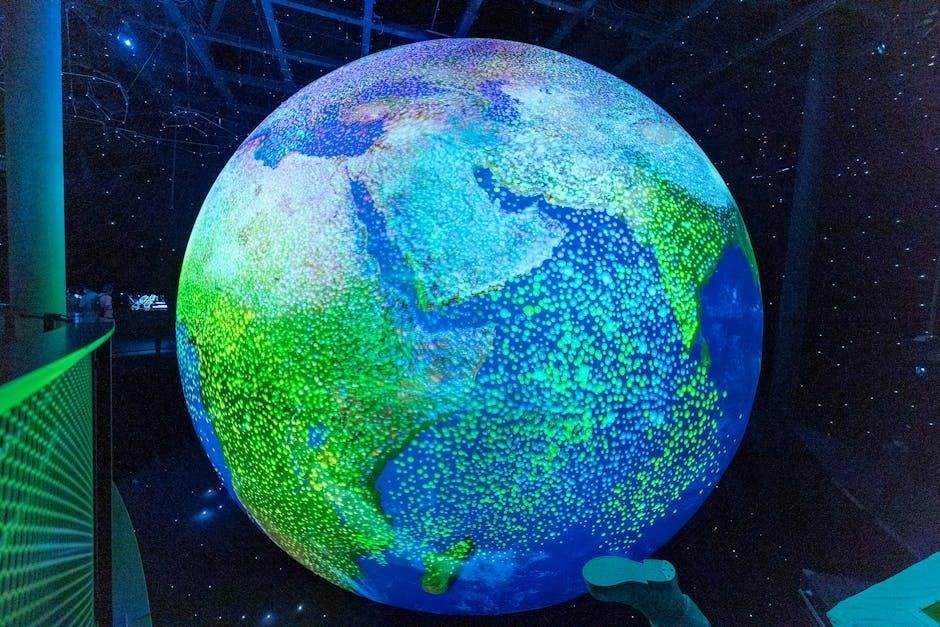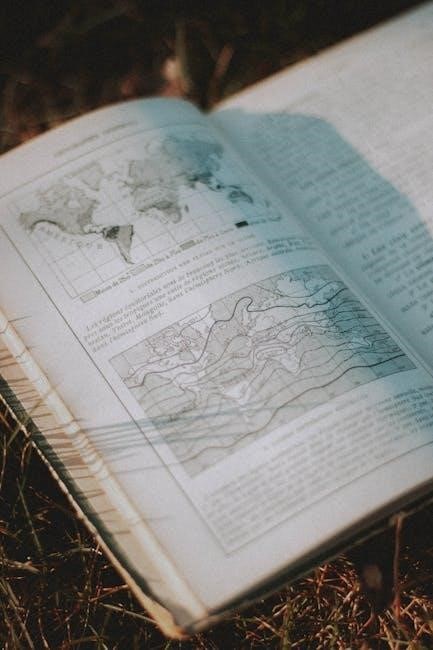
Prentice Hall Earth Science Textbook: A Comprehensive Overview
Prentice Hall Earth Science, a pivotal resource, explores Earth’s dynamic systems, serving students and educators alike; a 2009 publication, it’s available online.
Availability and Accessing the PDF
Finding a Prentice Hall Earth Science textbook PDF requires careful navigation, as direct official downloads are often limited due to copyright restrictions. The Internet Archive hosts a digitized copy of the 2009 edition, offering access for researchers and students, though availability can fluctuate. Several websites claim to offer the PDF, but caution is advised to avoid illegal downloads or malware.
Legitimate access often involves purchasing a digital copy through Pearson, the publisher, or utilizing educational platforms with licensed content. Libraries may also provide access to digital versions for enrolled students. Always prioritize legal and ethical sourcing to support authors and publishers. Be aware that older editions might be easier to find as PDFs, but may contain outdated information. Checking with your instructor for recommended resources is always a good starting point.
Historical Significance of Prentice Hall Earth Science
Prentice Hall Earth Science has served as a foundational text for generations of students, establishing itself as a cornerstone in secondary Earth science education since its initial publication. The textbook’s longevity speaks to its comprehensive coverage of core disciplines – geology, meteorology, oceanography, and astronomy – and its ability to adapt to evolving scientific understanding.
Its historical impact lies in providing a structured and accessible introduction to complex Earth systems, fostering scientific literacy among countless learners. While digital access via PDF formats is a more recent development, the core content has remained influential. The 2009 edition, available on the Internet Archive, represents a significant iteration, reflecting the state of Earth science knowledge at that time and continuing the textbook’s legacy of educational impact.
Core Disciplines Covered in the Textbook
Prentice Hall Earth Science meticulously integrates four primary disciplines, offering a holistic understanding of our planet. Geology forms a crucial base, examining Earth’s structure, composition, and history through plate tectonics and rock formations. Meteorology delves into atmospheric processes, weather patterns, and climate dynamics, explaining phenomena from daily forecasts to long-term climate change.

Oceanography explores the marine world, covering ocean currents, marine ecosystems, and the impact of oceans on global climate. Finally, Astronomy broadens the scope to the universe, investigating celestial bodies, galaxies, and the origins of our solar system. The 2009 PDF edition comprehensively covers these areas, providing a robust foundation in Earth science principles.
Geology: Understanding Earth’s Structure
Prentice Hall Earth Science’s geology section meticulously dissects Earth’s layered composition – crust, mantle, and core – detailing their unique properties and interactions. It explores plate tectonics, the driving force behind continental drift, earthquakes, and volcanic activity, explaining how these processes shape our planet’s surface. The textbook examines rock types – igneous, sedimentary, and metamorphic – and the rock cycle, illustrating how materials transform over geological time.
Students learn about mineral identification, weathering, erosion, and the formation of landforms. The 2009 PDF edition provides detailed diagrams and explanations, fostering a strong grasp of Earth’s internal structure and dynamic geological processes, essential for understanding our planet’s history and future.
Meteorology: The Science of Weather and Climate
Prentice Hall Earth Science dedicates a significant portion to meteorology, unraveling the complexities of Earth’s atmosphere. The 2009 PDF edition comprehensively covers weather elements – temperature, pressure, humidity, and wind – and their interactions. It explains atmospheric circulation patterns, including global winds and jet streams, and details the formation of various weather systems like fronts, cyclones, and thunderstorms.
Climate, as a long-term average of weather, is also thoroughly examined, including factors influencing climate zones and the impacts of climate change. Students gain insights into weather forecasting techniques and the tools used by meteorologists. Diagrams and illustrations within the textbook enhance understanding of these atmospheric phenomena.

Oceanography: Exploring the Marine World
Prentice Hall Earth Science’s oceanography section dives into the vast and crucial realm of Earth’s oceans. The 2009 PDF edition meticulously details ocean features – from continental shelves and abyssal plains to hydrothermal vents and coral reefs. It explains ocean currents, both surface and deep-water, and their influence on global climate patterns and marine ecosystems.
Students explore the composition of seawater, wave dynamics, and the processes driving tides. The textbook also examines the diverse marine life inhabiting different ocean zones, alongside the impact of human activities on ocean health. Visual aids, like maps and diagrams, illustrate complex oceanographic concepts, fostering a deeper understanding of this vital component of Earth’s system.
Astronomy: Studying the Universe
Prentice Hall Earth Science dedicates a significant portion to astronomy, guiding students through the wonders of the cosmos. The 2009 PDF edition covers the solar system, detailing each planet’s characteristics, orbits, and geological features. It explores stars, galaxies, and the universe’s origins, explaining concepts like stellar evolution, black holes, and the Big Bang theory.
Students learn about astronomical tools and methods, including telescopes and spectroscopy. The textbook also delves into the search for extraterrestrial life and the challenges of space exploration. Diagrams and images vividly illustrate celestial objects and phenomena, enhancing comprehension of complex astronomical principles. It provides a foundational understanding of our place within the vast universe.
Key Features and Learning Tools
The Prentice Hall Earth Science textbook, particularly the 2009 PDF version, incorporates several features to aid learning. These include chapter summaries that reinforce key concepts, and vocabulary lists to build scientific literacy. Review questions at the end of each chapter assess student understanding, while engaging visuals – photographs, diagrams, and illustrations – clarify complex topics.
The textbook also utilizes real-world examples and case studies to demonstrate the relevance of Earth science. It encourages critical thinking through problem-solving exercises and data analysis activities. Furthermore, connections are made between different Earth science disciplines, fostering a holistic understanding of our planet’s systems. These tools collectively enhance the learning experience.
Editions and Updates: Tracking Textbook Revisions
Prentice Hall Earth Science has undergone several editions since its initial publication, reflecting advancements in Earth science knowledge and pedagogical approaches. The 2009 edition, frequently found as a PDF, represents a significant iteration, incorporating updated data, research findings, and improved visuals. Tracking these revisions is crucial for educators and students alike.
Later editions likely feature enhanced coverage of emerging topics like climate change, renewable energy, and geospatial technologies. Updates also often include refined learning tools, such as interactive simulations and online resources. While the 2009 PDF remains a valuable resource, awareness of subsequent editions ensures access to the most current scientific information and teaching methodologies.
Target Audience and Educational Level
Prentice Hall Earth Science is primarily designed for middle and high school students, typically those in grades 9-12, embarking on their initial exploration of Earth and space sciences. The textbook caters to a broad range of learners, offering a foundational understanding of geology, meteorology, oceanography, and astronomy. Its content is structured to align with national science education standards, making it suitable for diverse curricula.
The PDF version maintains this accessibility, providing a cost-effective resource for students and schools. While the depth of coverage is appropriate for introductory courses, the textbook also challenges students with critical thinking exercises and real-world applications, preparing them for more advanced studies in related fields.
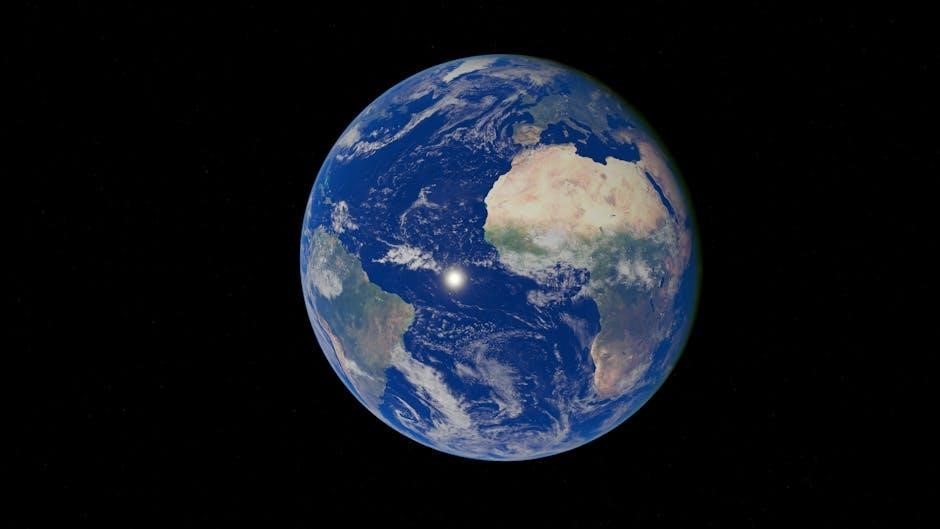
Supplementary Resources and Online Support
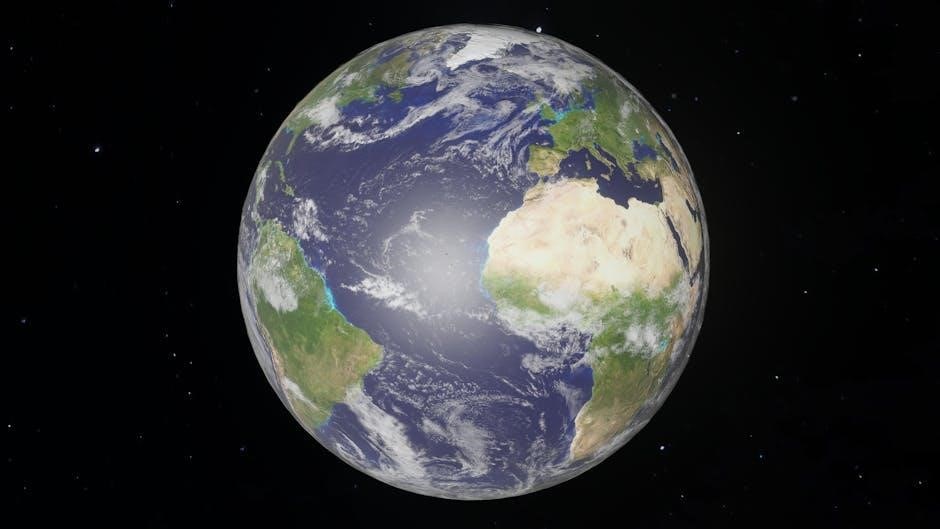
While the Prentice Hall Earth Science textbook itself is comprehensive, its effectiveness is amplified by a range of supplementary resources. Pearson, the publisher, historically offered online components, though availability may vary depending on the edition and access codes. These often included interactive simulations, practice quizzes, and additional data sets to reinforce learning.

Furthermore, the textbook’s concepts are readily complemented by external resources like Google Earth, enabling students to visualize geological formations and weather patterns in 3D. Accessing the PDF version facilitates easy integration of these external tools, allowing for a dynamic and engaging learning experience. Online communities and educational websites also provide support and further exploration opportunities.

Comparison with Other Earth Science Textbooks
Compared to competitors, the Prentice Hall Earth Science textbook traditionally emphasizes a broad, integrated approach to Earth’s systems – geology, meteorology, oceanography, and astronomy. Some alternatives may focus more narrowly on specific disciplines. While other texts might prioritize newer research, Prentice Hall often provides a solid foundational understanding, making it suitable for introductory courses.
The availability of a PDF version can be a significant advantage, allowing for convenient access and annotation. However, some newer textbooks offer more extensive digital resources and interactive features. Ultimately, the best choice depends on the specific curriculum, learning style, and the instructor’s preferences, but Prentice Hall remains a respected and widely-used option.
Utilizing Google Earth with the Textbook
Prentice Hall Earth Science concepts are powerfully enhanced through integration with Google Earth. Students can visualize geological formations, weather patterns, ocean currents, and celestial bodies in immersive 3D. This allows for a deeper understanding than static textbook images alone. Google Earth’s official support centers provide tutorials on navigating the platform and exploring diverse geographic imagery.
The textbook’s content can be geographically contextualized by locating specific sites within Google Earth, examining terrain, and accessing data layers. Exploring lunar and Martian landscapes further expands astronomical understanding. Utilizing Google Earth on mobile devices extends learning beyond the classroom, fostering a dynamic and engaging educational experience.
Google Earth as a Visualization Tool
Google Earth serves as an exceptional visualization tool, complementing the Prentice Hall Earth Science textbook by transforming abstract concepts into tangible, explorable realities. Students can virtually “fly” to locations discussed in the text, observing geological features, weather systems, and oceanographic phenomena firsthand. This immersive experience fosters a deeper comprehension of Earth’s complex processes.
The platform’s 3D models and geographic data layers allow for detailed analysis of terrain, elevation, and spatial relationships. Exploring planets like the Moon and Mars broadens perspectives beyond Earth, aligning with the textbook’s astronomical coverage. Google Earth’s intuitive interface makes complex data accessible, enhancing learning and engagement for students of all levels.
Exploring 3D Models and Geographic Data
Google Earth facilitates exploration of detailed 3D models, bringing geographic data to life and enriching the learning experience alongside the Prentice Hall Earth Science textbook. Users can examine terrain, buildings, and landscapes with remarkable clarity, gaining a nuanced understanding of Earth’s physical features. This capability is invaluable for visualizing geological formations, urban development, and environmental changes.
The platform’s geographic data layers provide access to a wealth of information, including elevation, land cover, and population density. Students can analyze this data to identify patterns, draw conclusions, and develop critical thinking skills. Furthermore, exploring different views – terrain, satellite, and 3D – offers diverse perspectives on the same geographic location, enhancing comprehension.
Common Uses in Educational Settings
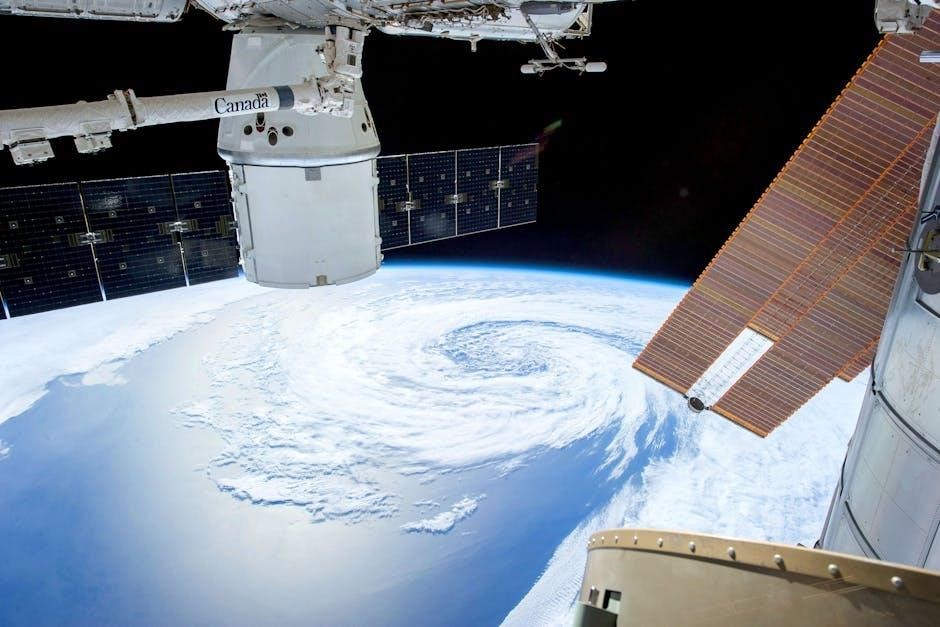
The Prentice Hall Earth Science textbook frequently serves as the core resource in middle and high school Earth science courses, providing a foundational understanding of geological processes, weather patterns, oceanography, and astronomy. Educators utilize it for structured lessons, assigning readings, and facilitating classroom discussions. The textbook’s exercises and problems encourage students to apply their knowledge and develop problem-solving skills.
It’s also commonly employed in preparing students for standardized tests and advanced science coursework. Teachers often integrate supplemental materials, like Google Earth, to enhance visualization and engagement. The textbook supports diverse learning styles through its combination of text, images, and interactive elements, fostering a comprehensive learning experience for all students.
Potential Challenges and Limitations
Despite its strengths, the Prentice Hall Earth Science textbook, particularly older editions, may present some challenges. Scientific understanding evolves, meaning content can become outdated, requiring supplementation with current research. The textbook’s depth of coverage might vary across disciplines, potentially requiring educators to fill gaps with additional resources.
Accessing the PDF version illegally raises ethical concerns regarding copyright infringement. Furthermore, reliance solely on a textbook can limit exposure to real-world data and dynamic processes. Integrating tools like Google Earth can mitigate this, but requires technological access and teacher training. Students may also find the sheer volume of information overwhelming, necessitating effective study strategies and guidance.
Finding and Downloading the PDF Legally
Obtaining a legal Prentice Hall Earth Science PDF requires careful navigation. Pearson, the publisher, often offers digital versions for purchase or rental through their official website or authorized educational platforms. Checking with your educational institution is crucial; many schools provide access to digital textbooks for enrolled students.
Legitimate online bookstores like Amazon or Barnes & Noble may also sell authorized PDF copies. Avoid unofficial websites offering free downloads, as these frequently violate copyright laws and may contain malware. Subscriptions to online learning platforms sometimes include access to digital textbooks. Always verify the source’s legitimacy to ensure a safe and ethical download.
Copyright and Ethical Considerations
Downloading a Prentice Hall Earth Science PDF without proper authorization raises significant copyright concerns. Copyright law protects the intellectual property of the authors and Pearson, the publisher. Unauthorized distribution or reproduction of the textbook constitutes a violation of these rights, potentially leading to legal repercussions.
Ethically, supporting the creators and publishers through legitimate purchases ensures continued quality educational material development. Utilizing illegally obtained PDFs undermines this system. Respecting copyright fosters a sustainable learning environment. Always prioritize legally obtained resources, respecting the efforts invested in creating the textbook and upholding academic integrity.

Future Trends in Earth Science Education Materials
The future of Earth Science education is leaning towards increasingly interactive and digitally integrated resources, moving beyond traditional Prentice Hall Earth Science textbooks, even PDF versions. Expect augmented reality (AR) and virtual reality (VR) experiences to become commonplace, allowing immersive exploration of geological formations and atmospheric phenomena.
Personalized learning paths, driven by AI, will tailor content to individual student needs. Open Educational Resources (OER) are also gaining traction, offering cost-effective alternatives. While PDFs provide accessibility, future materials will prioritize dynamic simulations, real-time data analysis, and collaborative online platforms, fostering a more engaging and effective learning experience.