
Insect field guides are invaluable resources, offering visual charts and detailed descriptions for identifying diverse species. These guides empower enthusiasts and researchers alike.
What is an Insect Field Guide?
An insect field guide is a portable reference designed to aid in the identification of insects encountered in the wild. These guides typically feature clear illustrations or photographs alongside detailed descriptions of key characteristics.
They often include range maps indicating where specific species are commonly found. Furthermore, many guides incorporate identification keys – a series of paired choices that lead the user to the correct identification. They are essential tools for both amateur naturalists and professional entomologists, fostering a deeper understanding of insect biodiversity.
Why Use an Insect Field Guide?
Insect field guides unlock the fascinating world of entomology, enabling accurate species identification in the field. They transform observation into understanding, fostering appreciation for insect diversity and ecological roles.
Guides are crucial for citizen science initiatives, contributing valuable data to conservation efforts. They also aid in pest management, allowing for targeted control strategies. Whether for casual exploration or serious study, a field guide empowers anyone to become an informed insect observer and enthusiast.

Key Insect Orders & Identification
Insect orders, like Coleoptera and Lepidoptera, provide a framework for classification. Field guides utilize distinct characteristics to aid in accurate identification of each order.
Order Coleoptera (Beetles)
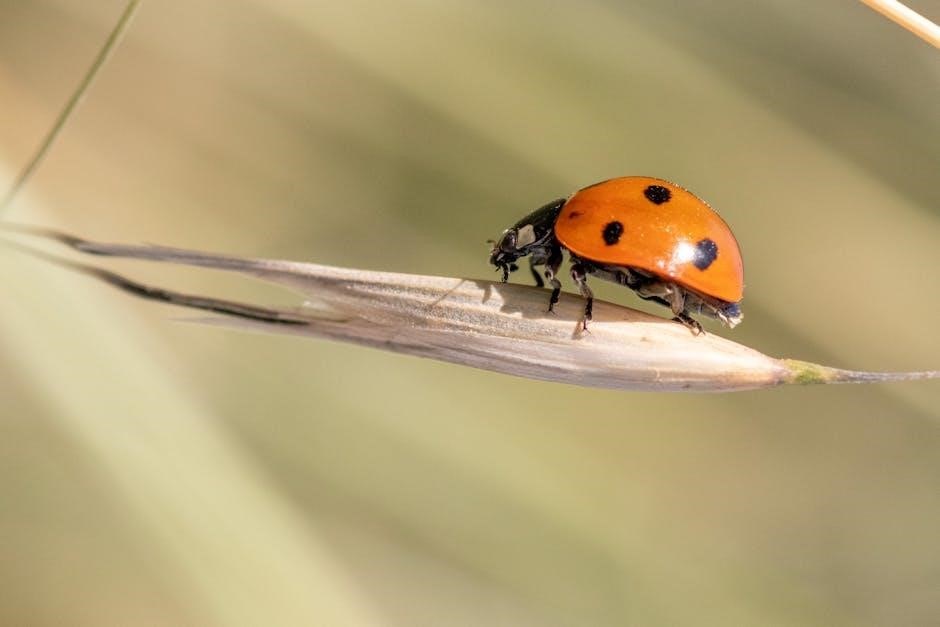
Coleoptera, the beetle order, is remarkably diverse, boasting hardened forewings called elytra. Field guides highlight variations in shape, size, and color patterns for identification. Key features include antennae shape and surface texture.
Common families like Scarabaeidae (scarab beetles) and Curculionidae (weevils) are often featured. Understanding beetle anatomy – head, thorax, abdomen – is crucial. Guides often include range maps and habitat preferences, aiding in precise species determination. Recognizing these characteristics unlocks beetle identification.
Order Lepidoptera (Butterflies & Moths)
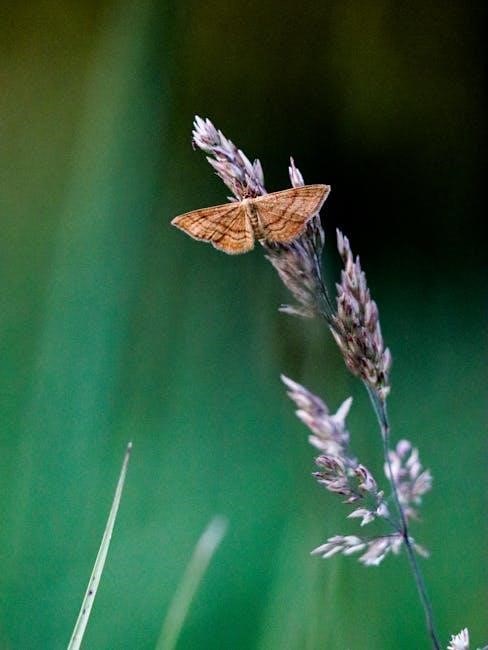
Lepidoptera, encompassing butterflies and moths, are identified by their scaled wings. Field guides emphasize wing patterns, colors, and venation for species recognition. Distinguishing features include antennae shape – clubbed in butterflies, feathery in moths.
Guides detail larval stages (caterpillars) and host plants. Understanding wing markings, like eyespots or bands, is vital. Range maps and flight times assist identification. Recognizing family characteristics, such as swallowtails or brushfoots, streamlines the process.
Order Hymenoptera (Ants, Bees, Wasps)
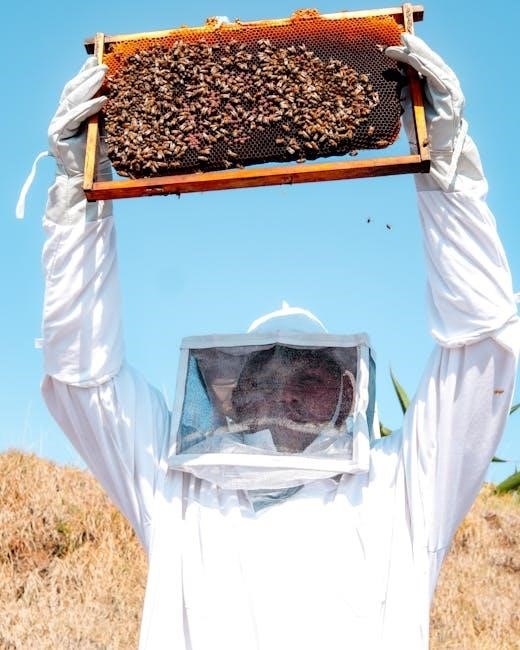
Hymenoptera, including ants, bees, and wasps, are characterized by their constricted “waist” and often possess stingers. Field guides focus on body shape, coloration, and wing venation for identification. Ant guides emphasize caste systems (workers, queens) and nest structures.
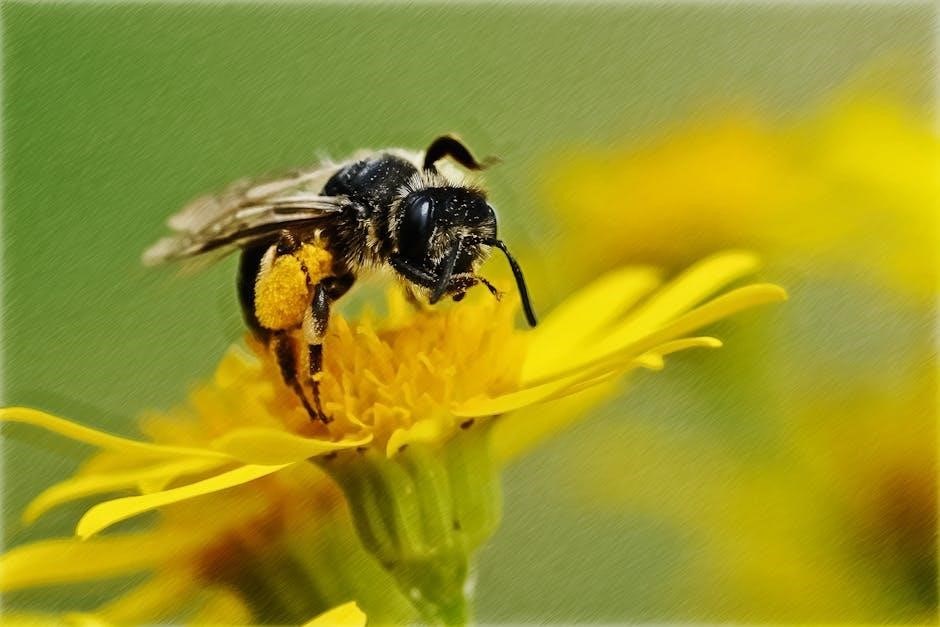
Bee identification relies on pollen-carrying structures and hairiness. Wasp guides highlight patterns and size variations. Observing behavior – social vs. solitary – aids recognition. Detailed keys assist in differentiating closely related species.
Order Diptera (Flies)
Diptera, commonly known as flies, are distinguished by possessing only two wings; the hind wings are reduced to halteres for balance. Field guides emphasize wing patterns, body shape, and size for identification. Many guides categorize flies by family – e.g., house flies, fruit flies, horse flies.
Identifying features include eye size and shape, antenna type, and leg structure. Larval stages are often described, aiding identification in aquatic environments. Behavior, like feeding habits, also provides clues.
Order Hemiptera (True Bugs)
Hemiptera, or true bugs, are characterized by piercing-sucking mouthparts used to feed on plants or animals. Field guides focus on wing patterns – often half-leathery, half-membranous – and the distinctive “X” shape formed on their backs when folded.
Identification relies on scutellum shape, antenna structure, and leg markings. Guides detail various families like stink bugs, aphids, and cicadas. Recognizing host plants is crucial, as many bugs are highly specialized feeders.
Essential Features of a Good Field Guide
Effective field guides prioritize clear visuals, detailed descriptions, accurate range maps, and user-friendly identification keys for successful insect recognition.
Clear Illustrations or Photographs
High-quality visuals are paramount in any insect field guide. Detailed illustrations, or preferably, sharp photographs, showcase crucial identifying features. These images should depict insects from multiple angles – dorsal, lateral, and ventral views – highlighting key characteristics like wing venation, leg structure, and coloration patterns.
Color accuracy is also vital, as subtle shades can differentiate species. Well-chosen images enable confident identification, even for beginners, bridging the gap between textual descriptions and real-world observation.
Detailed Descriptions
Comprehensive descriptions are the backbone of effective insect identification. A good field guide provides precise details about an insect’s size, shape, color, and distinctive markings. These descriptions should go beyond generalities, specifying the texture of the exoskeleton, the pattern of spots or stripes, and the shape of antennae.
Furthermore, noting variations within a species – sexual dimorphism, larval stages – enhances accuracy. Clear, concise language avoids ambiguity, aiding both novice and experienced entomologists.
Range Maps
Range maps are crucial components of insect field guides, visually depicting the geographical distribution of each species. These maps illustrate where an insect is commonly found, aiding in identification by location. They often indicate native ranges, introduced areas, and migratory patterns.
Color-coding and clear boundaries enhance readability, allowing users to quickly assess whether a particular insect is likely to occur in their region, narrowing down identification possibilities.
Identification Keys
Identification keys are systematic tools within insect field guides, leading users through a series of choices based on observable characteristics. Dichotomous keys present paired statements; selecting the appropriate statement directs you to the next step.
These keys require careful observation and attention to detail, but ultimately allow even beginners to accurately identify insects. Understanding key terminology is essential for successful navigation and precise species determination.

Tools for Insect Identification
Essential tools include magnifying glasses, insect nets, collection jars, and pins – facilitating close examination and preservation for study and accurate identification.
Magnifying Glasses & Loupes
Magnifying glasses and loupes are fundamental tools for insect identification, enabling detailed observation of minute features crucial for distinguishing species. A basic magnifying glass provides sufficient magnification for initial examination, revealing key characteristics like wing venation or leg structure.
Loupes, offering higher magnification, are ideal for observing intricate details such as antennae segments or the texture of an insect’s exoskeleton. Portable and easy to use, these tools allow for field-based investigation, enhancing accuracy when using field guides.
Insect Nets
Insect nets are essential equipment for collecting specimens for closer examination and identification, particularly for flying insects. Available in various sizes and mesh fineness, nets allow for non-destructive capture, minimizing harm to the insect.
Choosing a net with an appropriate handle length is crucial for reaching different heights and habitats. Proper sweeping techniques maximize collection efficiency, aiding in biodiversity surveys and enabling detailed study using field guides and other identification resources.
Collection Jars & Pins
Collection jars, often containing rubbing alcohol, are vital for preserving delicate insect specimens in the field, preventing damage before detailed study. Insect pins, specifically designed for entomology, securely mount insects for examination and comparison with field guide illustrations.
Proper pinning techniques avoid damaging key identification features. Organized collections, labeled with date, location, and collector information, become valuable references for learning and contribute to scientific understanding of insect diversity.
Microscopes (for detailed examination)
Microscopes unlock a hidden world, revealing minute details crucial for accurate insect identification. Field guides often reference microscopic features – vein patterns on wings, structures of mouthparts, or the intricacies of antennae.
Stereo microscopes provide a 3D view, ideal for examining surface textures, while compound microscopes allow for viewing internal structures. Combining microscopic observation with field guide descriptions elevates identification skills and deepens understanding of insect anatomy.

Understanding Insect Anatomy
Insect anatomy – head, thorax, and abdomen – forms the basis of identification. Field guides emphasize key features within each section for accurate classification.
Head – Antennae & Mouthparts
Insect heads showcase remarkable diversity, particularly in antennae and mouthparts. Field guides detail antenna shapes – filiform, clubbed, or geniculate – crucial for identification. Mouthpart types, like chewing, sucking, or piercing-sucking, also provide key clues.
Careful observation of these features, often requiring magnification, allows for narrowing down potential insect groups. Guides illustrate variations, aiding beginners in distinguishing subtle differences between species and families. Accurate identification relies on understanding these head structures.
Thorax – Legs & Wings
The insect thorax supports legs and wings, offering significant identification characteristics. Field guides emphasize leg arrangements – how many pairs, and their modifications for walking, jumping, or digging. Wing venation patterns are particularly diagnostic, with guides providing detailed illustrations.
Note wing shape, size, and presence of scales (Lepidoptera). Leg and wing features, combined with head characteristics, significantly refine insect identification, enabling accurate classification even for challenging specimens.
Abdomen – Key Features for Identification
The insect abdomen reveals crucial identification clues. Field guides highlight abdominal segments, their shape, and any specialized structures like cerci or ovipositors. Note the presence of distinct markings, coloration patterns, or unique textures on the abdomen.
Observing abdominal features, alongside thorax and head characteristics, greatly assists in narrowing down potential insect species. Detailed illustrations in guides showcase these subtle, yet vital, differences.
Common Insect Habitats
Insect field guides detail where to find specific species – forests, meadows, aquatic zones, and even urban environments – aiding targeted observation.
Forests & Woodlands
Forests and woodlands represent incredibly diverse insect habitats, often highlighted within comprehensive field guides. These guides detail species associated with specific trees, leaf litter, and decaying wood. Beetles, butterflies, and various predatory insects thrive here;
Identifying insects in these areas requires attention to microhabitats – under bark, on foliage, or within the soil. Field guides often categorize insects by their forest association, simplifying identification. Understanding forest ecology enhances insect observation and accurate species determination.
Grasslands & Meadows
Grasslands and meadows teem with insect life, frequently covered in detail within insect field guides. These open habitats support a unique array of species, including grasshoppers, butterflies that feed on wildflowers, and ground beetles.
Field guides focusing on these environments often emphasize identifying insects based on their host plants and flight patterns. Observing insect behavior within the grass structure is crucial. Guides will illustrate variations linked to seasonal changes and grassland management practices.
Aquatic Environments
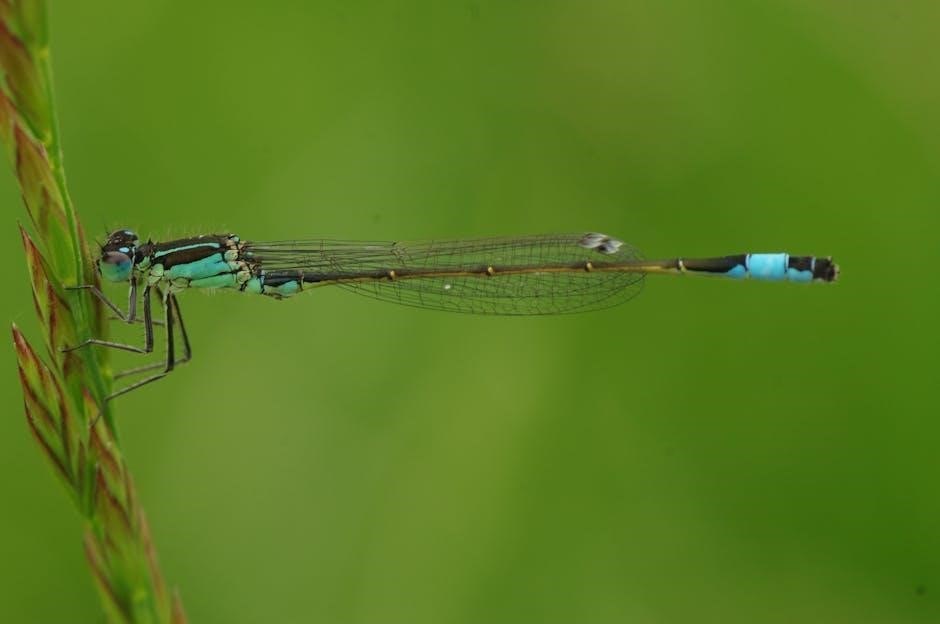
Aquatic environments, such as ponds, streams, and lakes, host a distinct insect fauna detailed in specialized field guides. These guides often feature insects with aquatic larval stages – mayflies, dragonflies, and caddisflies – alongside adult forms.
Identification relies on examining both larval and adult characteristics. Field guides highlight adaptations to aquatic life, like gills and streamlined bodies. Understanding life cycles and habitat preferences is key to accurate identification within these complex ecosystems.
Urban & Suburban Areas
Urban and suburban field guides focus on insects commonly found in human-modified landscapes. These guides aid in identifying pests like cockroaches and termites, alongside beneficial insects such as pollinators visiting gardens.
They emphasize recognizing insects adapted to built environments, often showcasing variations in color and behavior. Guides detail where to find these insects – in homes, parks, and gardens – and provide insights into their ecological roles within these areas.
Using Identification Charts
Identification charts, including flowcharts and comparative tables, simplify insect identification by visually guiding users through key characteristics and distinctions.
Flowchart-Based Identification
Flowchart identification presents a series of questions, each leading to a subsequent choice based on observed insect features. This method systematically narrows down possibilities, guiding users through a branching pathway. Starting with broad characteristics – like wing presence or body shape – each answer directs you closer to a precise identification.
These visual keys are particularly helpful for beginners, offering a structured approach to insect classification. They eliminate guesswork and promote accurate species recognition, making complex identification accessible.
Comparative Tables
Comparative tables within insect field guides organize information in a structured format, listing key characteristics across different species or groups. These tables allow for side-by-side comparisons of features like size, color, wing patterns, and habitat preferences.
This method is exceptionally useful for distinguishing between closely related insects that share similar appearances. By focusing on subtle differences, comparative tables enhance identification accuracy and efficiency for both novice and experienced entomologists.
Visual Keys
Visual keys in insect field guides employ a series of paired illustrations or photographs to guide users through the identification process. Each step presents a choice between two contrasting features, leading to progressively narrower possibilities.
This intuitive approach bypasses complex terminology, making identification accessible to a wider audience. By carefully observing and selecting the most appropriate option at each stage, users can efficiently pinpoint the insect’s identity, even with limited prior knowledge.
Resources for Further Learning
Expand your knowledge with online databases, local entomology clubs, and university extension services – valuable resources for insect enthusiasts!
Online Insect Databases
Numerous online databases provide extensive information and images for insect identification. BugGuide.net is a popular, user-contributed resource, offering detailed profiles and range maps. iNaturalist allows users to share observations and receive identifications from experts.
These platforms often feature identification keys and comparative data, aiding in accurate species determination. University websites and museum collections also host valuable digital resources, expanding access to entomological knowledge for both beginners and seasoned researchers.
Local Entomology Clubs
Joining a local entomology club offers a fantastic opportunity to learn from experienced insect enthusiasts. These clubs frequently organize field trips, workshops, and identification sessions, providing hands-on learning experiences.
Members often share their knowledge and expertise, assisting with difficult identifications and offering valuable insights into local insect fauna. Networking with fellow bug lovers fosters a supportive community and enhances your understanding of insect biodiversity.
University Extension Services
University Extension Services are excellent resources for insect identification and information. Many universities maintain entomology departments offering publications, workshops, and diagnostic services to the public.
These services often provide regionally specific field guides and identification resources, focusing on common pests and beneficial insects found in your area. Experts are available to answer questions and assist with challenging identifications, bridging the gap between research and practical application.
Weevil Identification
Weevils possess elongated snouts, aiding in seed and plant tissue penetration. Identification charts highlight key features, crucial for distinguishing various weevil species effectively.
Key Characteristics of Weevils
Weevils, belonging to the beetle family Curculionidae, are easily recognized by their distinctive elongated snouts, also known as rostra. This snout is used for feeding and depositing eggs within plant tissues. Their bodies are typically small, ranging from a few millimeters to over a centimeter in length, and often exhibit mottled or patterned coloration.
Many weevils are pests of agricultural crops, causing significant damage to seeds, fruits, and stems. Identifying weevils relies on observing these key features – the pronounced snout, body shape, and coloration – often aided by specialized identification charts and field guides.
Common Weevil Pests
Several weevil species are notorious agricultural pests. The boll weevil infests cotton, causing substantial yield losses. Rice weevils damage stored rice grains, while the maize weevil targets corn. Palm weevils are destructive to palm trees, and nut weevils attack pecans and walnuts.
Accurate identification, using field guides, is crucial for implementing effective pest management strategies. Recognizing the specific weevil species allows for targeted control measures, minimizing crop damage and economic losses. Early detection is key to preventing widespread infestations.
Bug Identification Charts
Bug identification charts, readily available online and in print, simplify the process of classifying insects using visual comparisons and key characteristics.
General Bug Identification Resources
Numerous online platforms offer comprehensive bug identification resources, including Pinterest with its diverse charts and images. Websites like BugGuide.net provide detailed information and community-sourced identifications. University extension services frequently host regional insect databases, offering localized expertise.
Printed field guides remain essential, providing curated information and illustrations. These resources often categorize insects by order, facilitating systematic identification. Remember to cross-reference multiple sources for accurate results, especially when encountering unfamiliar specimens.
Regional Bug Guides
Locating regional guides is crucial for accurate insect identification, as species distribution varies geographically. University extension offices often publish guides specific to their state or region, detailing common local insects. Specialized field guides focus on particular ecosystems, like forests or grasslands.
Pinterest also hosts numerous regional bug identification resources, curated by local enthusiasts. These guides often feature images of insects found within a specific area, aiding in precise identification. Consider joining local entomology clubs for expert insights.
Insect Identification for Beginners
Start simple! Focus on easily observable characteristics like color, size, and wing shape when learning to identify common insects using a field guide.
Starting with Common Insects
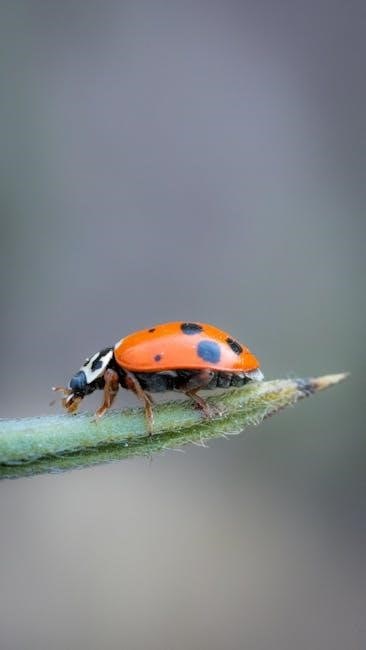
Begin your insect identification journey with frequently encountered species like butterflies, bees, and ladybugs; These insects are often vividly colored and readily available for observation. A good field guide will provide clear images and descriptions of these common forms, building your confidence.
Focusing on familiar insects allows you to practice using the guide’s identification keys and comparing visible characteristics. This foundational approach simplifies the learning process and prepares you for tackling more challenging identifications later on.
Focusing on Visible Characteristics
Effective insect identification relies on observing key physical traits. Pay close attention to an insect’s size, shape, color patterns, and wing venation. Note the number of legs, the type of antennae, and any distinctive markings.
A quality field guide emphasizes these visible characteristics, providing detailed illustrations and descriptive terminology. Comparing your observations to the guide’s depictions is crucial for narrowing down possibilities and achieving accurate identification. Start simple and build your observational skills!