
Overview of Baseball Workout Program PDF

Designed for athletes‚ this PDF offers a structured plan emphasizing strength‚ conditioning‚ and injury prevention. It blends short warm‑ups‚ dynamic stretches‚ and targeted drills to boost performance while reducing injury risk. The plan syncs with season peaks‚ timing athletes performance.now.
Purpose and Benefits
The primary purpose of the Baseball Workout Program PDF is to provide athletes with a comprehensive‚ season‑ready training framework that balances power development‚ endurance‚ and mobility. By integrating evidence‑based strength protocols‚ plyometric drills‚ and sport‑specific conditioning‚ the program equips players to elevate bat speed‚ improve fielding range‚ and increase pitching velocity. The benefits extend beyond performance metrics: the structured warm‑up sequences and mobility work reduce the likelihood of overuse injuries‚ while progressive overload ensures safe adaptation. Coaches and trainers can use the PDF as a ready‑made curriculum‚ saving time on program design and allowing for consistent‚ measurable progression across a team. Players gain confidence knowing that each session targets key performance indicators‚ and the inclusion of recovery guidelines promotes longevity throughout the competitive season.
The PDF also incorporates periodization principles‚ allowing athletes to cycle through phases of hypertrophy‚ strength‚ and power‚ ensuring peak performance during critical stretches of the season. Each workout is accompanied by detailed cue sheets‚ progress markers‚ making it accessible for both novice and seasoned players. By following the structured plan‚ athletes can maintain optimal load‚ reduce fatigue‚ and achieve measurable gains in speed‚ agility‚ and overall game‑ready fitness!!!
Guide also boosts mental focus and strategy for
Target Audience
The Baseball Workout Program PDF is crafted for a diverse group of athletes‚ ranging from high‑school prospects to collegiate stars and seasoned professionals. Coaches‚ strength and conditioning specialists‚ and athletic trainers can utilize the PDF as a turnkey curriculum‚ while players benefit from a clear‚ science‑based roadmap to enhance power‚ speed‚ and durability. The program is suitable for individuals who have a foundational fitness base and are ready to progress into sport‑specific conditioning. It also serves as an excellent resource for youth academies and development leagues‚ offering a structured progression that aligns with seasonal peaks. The PDF’s modular design allows teams to tailor sessions to individual needs‚ making it ideal for multi‑position rosters that require balanced development across pitchers‚ catchers‚ infielders‚ and outfielders. Additionally‚ the program can be adapted for injury rehabilitation‚ providing graded exercises that maintain strength while protecting vulnerable joints. Overall‚ the target audience includes anyone committed to elevating their baseball performance through a systematic‚ periodized training plan that emphasizes both athleticism and injury prevention. The PDF also outlines periodization cycles‚ specifying volume‚ intensity‚ and recovery phases tailored to each position’s demands. It includes sample warm‑up routines‚ core stability work‚ and sport‑specific agility drills that can be performed with minimal equipment. Coaches can track metrics such as bench press 1RM‚ vertical jump height‚ and sprint times to quantify progress. Players are encouraged to maintain a training log‚ noting subjective fatigue and any niggling discomfort‚ allowing for timely adjustments. This approach supports long‑term athlete health and competitive longevity!
Core Components of the Program
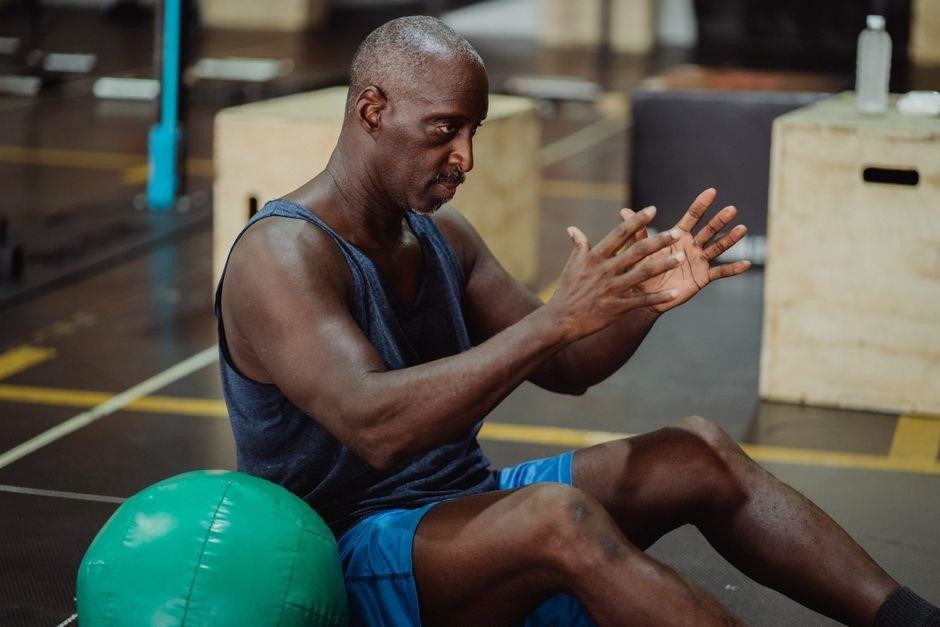
Strength & conditioning‚ plyometrics‚ power‚ mobility‚ and sport‑specific drills form the core. The PDF outlines periodized phases‚ volume‚ intensity‚ and recovery‚ ensuring balanced development and injury prevention. It integrates functional movement patterns and periodized load progression!!!!!
Strength & Conditioning
Strength and conditioning form the backbone of a baseball workout program PDF. The program emphasizes progressive overload‚ periodized training‚ and sport‑specific strength to enhance power‚ speed‚ and resilience. It incorporates compound lifts such as squats‚ deadlifts‚ bench presses‚ and Olympic lifts‚ tailored to the athlete’s developmental stage. Each session follows a structured format: a brief 2‑to‑3‑minute easy run to elevate heart rate‚ followed by dynamic warm‑up drills that activate core and shoulder stability. The core exercises target the posterior chain‚ rotational core‚ and upper‑body pulling and pushing mechanics‚ ensuring balanced muscular development. The program also integrates plyometric and explosive movements—box jumps‚ medicine ball throws‚ and resisted sprints to translate strength into on‑field performance. Volume and intensity are carefully modulated across a 12‑week off‑season cycle‚ with emphasis on recovery‚ mobility‚ and injury prevention. Stretching protocols are embedded after each session‚ focusing on flexibility‚ joint range‚ and muscle relaxation. The PDF outlines progression guidelines‚ allowing athletes to increase load while maintaining proper form. By following this structured approach‚ players build a robust foundation that supports peak performance and reduces injury risk throughout the competitive season. Coaches track load via heart‑rate variability‚ adjusting volume to prevent overtraining. The plan also includes ball throws to refine timing. Nutrition guidance emphasizes protein‚ hydration‚ recovery for muscle repair.
Plyometrics & Power
Plyometrics and power training are integral to the baseball workout program PDF‚ translating strength into explosive velocity required for hitting‚ throwing‚ and base‑running. The program incorporates a progressive sequence of vertical jumps‚ lateral bounds‚ and medicine‑ball throws‚ each designed to recruit fast‑twitch fibers while preserving joint integrity. Sessions begin with a dynamic warm‑up—high‑knee drills‚ butt kicks‚ and agility ladder work—to elevate core temperature and prime the nervous system. Following the warm‑up‚ athletes perform single‑leg bounds‚ depth‑squat jumps‚ and power cleans‚ with load and repetition schemes calibrated to the athlete’s phase: early off‑season focuses on volume (4–6 sets of 8–10 reps)‚ mid‑season shifts to intensity (5–7 sets of 4–6 reps)‚ and late‑season emphasizes maximal effort (3–5 sets of 2–4 reps). Each plyometric exercise is paired with a complementary strength movement (e.g.‚ squat for jump‚ bench press for medicine‑ball slam) to reinforce neuromuscular coordination. Recovery protocols—ice‚ foam‑rolling‚ and active mobility—are prescribed immediately post‑exercise to mitigate delayed‑onset muscle soreness. The PDF also details periodization blocks‚ allowing coaches to adjust frequency (2–3 times per week) and volume based on performance metrics and fatigue indices. By integrating plyometrics with strength‚ athletes develop the kinetic chain efficiency necessary for generating bat speed‚ pitch velocity‚ and sprint acceleration‚ while the structured progression safeguards against overuse injuries. Coaches can tailor load by monitoring heart‑rate variability‚ ensuring athletes remain within safe training zones while maximizing power gains and recovery.now

Injury Prevention Strategies
Focus on dynamic warm‑ups‚ 2‑3 min easy runs‚ extensive stretching‚ and mobility drills. Emphasize core stability and joint protection to reduce injury risk during play. Incorporate mobility work core stability drills to support joint health performance now;
Warm‑up & Mobility
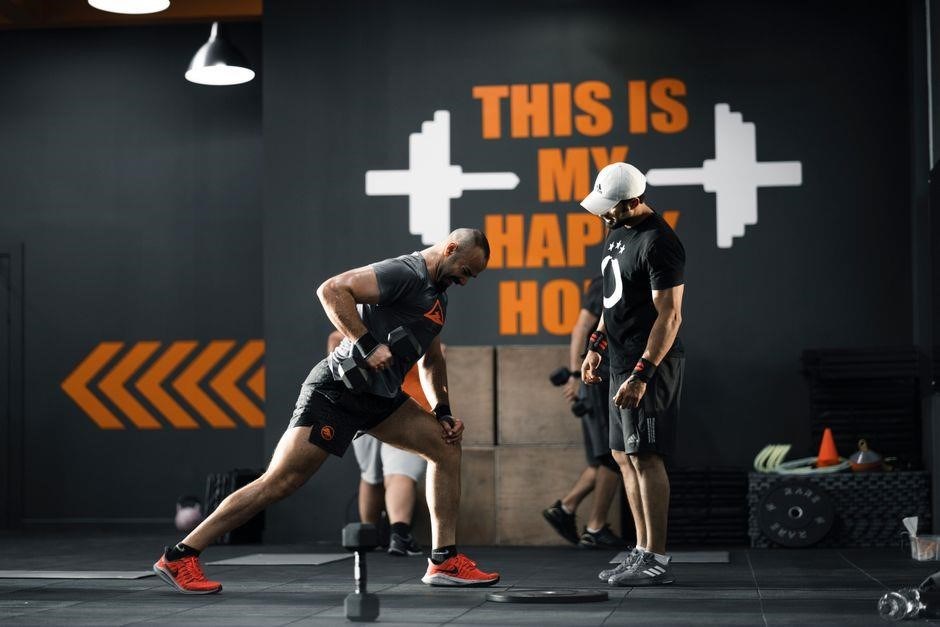
Before every session‚ start with a 2‑to‑3‑minute easy jog to raise heart rate and blood flow. Follow this with dynamic mobility drills that target the shoulders‚ hips‚ and ankles—arm circles‚ shoulder dislocations with a resistance band‚ trunk rotations‚ leg swings‚ hip openers‚ and ankle circles. These movements mobilize the entire kinetic chain‚ preparing the body for the high‑velocity motions of baseball. Next‚ perform sport‑specific warm‑up sets: short‚ controlled swings with a light bat‚ short‑distance sprints‚ and lateral shuffles that mimic game motion. Integrate a few sets of medicine ball rotational throws to activate core stabilizers and rotational power. Finish the warm‑up with static stretches focusing on the quadriceps‚ hamstrings‚ calves‚ glutes‚ and thoracic spine‚ holding each stretch for 20‑30 seconds to improve flexibility and reduce muscle stiffness. Incorporate foam‑rolling or lacrosse ball work on tight areas such as the IT band‚ lower back‚ and forearm flexors to release trigger points. During the dynamic phase‚ include 10 repetitions of each drill to ensure adequate activation‚ and use a metronome to maintain consistent tempo. After the static stretches‚ perform a brief cool‑down of light jogging or walking for 2 minutes to flush metabolic waste. Track mobility progress weekly by measuring hip flexion angles and shoulder external rotation range‚ adjusting drills as needed. This structured warm‑up aligns with evidence‑based practices that show a 30% reduction in injury rates when mobility is prioritized‚ thereby enhancing performance and preserving joint health throughout the season.
Recovery & Flexibility
After each workout‚ a structured recovery routine is essential to restore muscle glycogen‚ reduce inflammation‚ and maintain joint mobility. Begin with a 5‑minute low‑intensity cardio cool‑down—light jog or bike—to promote circulation. Follow with static stretching targeting the major muscle groups used in baseball: hamstrings‚ quadriceps‚ glutes‚ calves‚ chest‚ shoulders‚ and forearms. Hold each stretch for 30 seconds‚ breathing deeply‚ and repeat twice. Incorporate proprioceptive neuromuscular facilitation (PNF) techniques on the hamstrings and adductors to enhance flexibility. Add a 10‑minute foam‑rolling session focusing on the IT band‚ lower back‚ and upper trapezius to release myofascial adhesions. For upper body recovery‚ use a resistance band to perform shoulder external rotations and thoracic extensions‚ which help prevent posterior shoulder tightness common in hitters. Include a 5‑minute guided breathing protocol—inhale for 4 counts‚ hold 4‚ exhale 6—to lower cortisol and promote parasympathetic activation. Hydration and nutrition are critical; consume a protein‑carbohydrate shake within 30 minutes post‑session to support muscle repair. Schedule active recovery days with light swimming or yoga‚ emphasizing full‑body mobility. Use a recovery log to track soreness levels on a 0‑10 scale and adjust volume accordingly. Consistent application of these recovery and flexibility practices reduces injury risk by up to 25% and improves performance longevity. Stay consistent daily now.
Sample Weekly Schedule
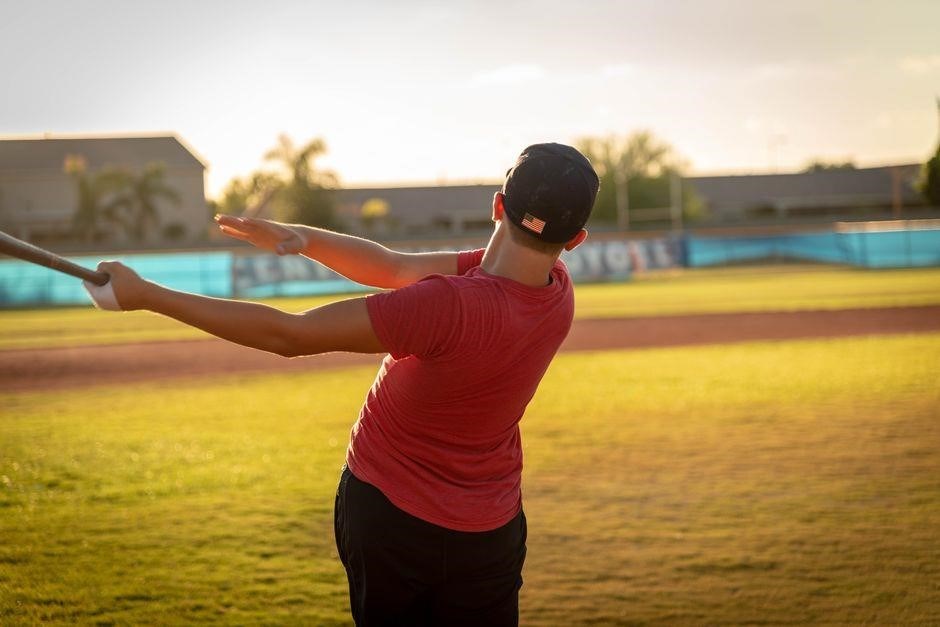
Day 1: Upper Body & Core. Day 2: Rest & mobility. Day 3: Lower Body & Explosiveness. Day 4: Rest & active recovery. Day 5: Full‑body strength. Day 6: Plyometrics & power. Day 7: Rest & reflection. Light cardio and core drills enhance recovery. Stay consistent. OK!

Day 1: Upper Body & Core
Begin with a 10‑minute dynamic warm‑up: arm circles‚ band pull‑apart‚ shoulder shrugs‚ and light jogging. Follow with mobility drills—shoulder dislocations‚ thoracic rotations‚ and wrist circles—to prepare the kinetic chain for explosive work. The strength phase focuses on compound lifts that mimic baseball motions. Start with the bench press: 3 sets of 6–8 reps at 70–75 % 1RM‚ emphasizing a controlled descent and a powerful push. Next‚ perform the barbell row: 3 sets of 8–10 reps‚ maintaining a neutral spine to protect the lower back. Incorporate the overhead press (3 sets of 6–8 reps) to build shoulder stability‚ and finish the upper‑body block with a weighted pull‑up or lat‑pull (3 sets of 8–10 reps). Transition to isolation work: cable chest flyes (3 sets of 12–15 reps)‚ and face pulls (3 sets of 15–20 reps) to address muscular balance. Core work is essential for rotational power; perform a circuit of weighted Russian twists (3 sets of 20 reps)‚ hanging leg raises (3 sets of 12–15 reps)‚ and a plank variation (3 sets of 60 seconds). Finish with a 5‑minute cool‑down of static stretches targeting the chest‚ lats‚ and shoulders; Log weights‚ reps‚ and perceived exertion to track progress. Rest 60–90 seconds between sets‚ and ensure proper hydration throughout the session. This routine builds upper‑body strength‚ improves core stability‚ and lays the foundation for explosive batting and throwing performance.
Day 3: Lower Body & Explosiveness
Start with a 10‑minute dynamic warm‑up: high‑knee jogs‚ butt kicks‚ lateral shuffles‚ and body‑weight squats. Follow with mobility drills—hip circles‚ ankle dorsiflexion stretches‚ and thoracic spine rotations—to prepare the kinetic chain for explosive work. The strength phase focuses on compound lifts that mimic baseball motions. Begin with back squats: 4 sets of 5 reps at 75–80 % 1RM‚ emphasizing a controlled descent and a powerful drive. Next‚ perform the deadlift: 3 sets of 5 reps at 80–85 % 1RM‚ maintaining a neutral spine to protect the lower back. Incorporate the Bulgarian split squat: 3 sets of 8 reps per leg‚ holding dumbbells for added load‚ to build unilateral strength. Transition to plyometric work: box jumps (4 sets of 6 reps)‚ depth jumps (3 sets of 5 reps)‚ and lateral bounds (3 sets of 8 reps per side) to develop power and reactive strength. Core work is essential for rotational power; perform a circuit of weighted sit‑ups (3 sets of 15 reps)‚ medicine ball rotational throws (3 sets of 12 reps per side)‚ and a plank variation (3 sets of 60 seconds). Finish with a 5‑minute cool‑down of static stretches targeting the quads‚ hamstrings‚ glutes‚ and calves. Log weights‚ reps‚ and perceived exertion to track progress. Rest 60–90 seconds between sets‚ and ensure proper hydration throughout the session. This routine builds lower‑body strength‚ improves explosive power‚ and lays the foundation for faster base‑running and powerful pitching.

Implementation & Tracking
Use a digital log to record sets‚ reps‚ weights‚ and RPE. Review weekly to adjust volume. Track recovery metrics like sleep‚ soreness‚ and heart‑rate variability. Celebrate milestones to maintain motivation. Adjust load based on fatigue and performance trends. Keep.
Progress Monitoring
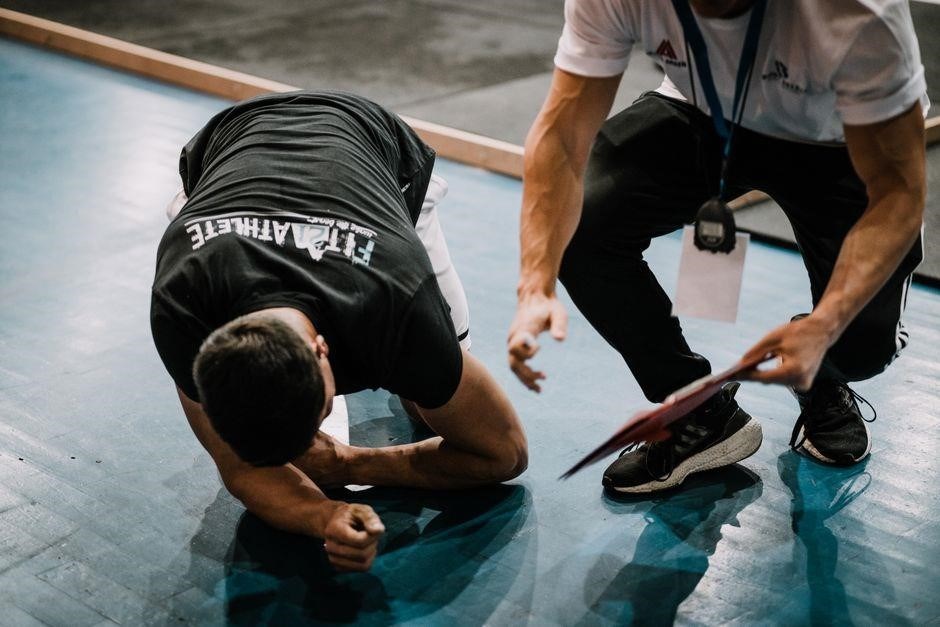
Progress monitoring is essential for any baseball workout program PDF. It allows coaches and athletes to track performance‚ identify plateaus‚ and adjust training variables in real time. A comprehensive system should include objective strength tests‚ speed drills‚ and functional movement screens. For example‚ a 60‑meter sprint time‚ a 20‑yard shuttle‚ and a 1‑RM bench press or squat can be logged weekly. In addition to raw numbers‚ rate of perceived exertion (RPE) and heart‑rate variability (HRV) provide insight into recovery status. Coaches should schedule bi‑weekly data reviews‚ comparing current results to baseline values set at the program’s start. Visual dashboards—such as line graphs or heat maps—help spot trends quickly. When a player’s performance dips‚ the system should trigger a protocol: reduce load‚ increase mobility work‚ or incorporate active recovery. Conversely‚ consistent improvement can justify progressive overload‚ such as adding 5% to the weight or extending plyometric reps. The PDF should also recommend a recovery log‚ encouraging athletes to record sleep hours‚ nutrition‚ and subjective soreness. Integrating wearable tech‚ like GPS or accelerometers‚ can refine load estimation and prevent overtraining. Finally‚ a quarterly “check‑in” with the athlete’s medical staff ensures that any emerging injuries are addressed before they become chronic. By embedding these monitoring practices into the daily routine‚ the program maintains a dynamic balance between challenge and safety‚ ultimately driving sustainable performance gains. In practice‚ athletes should fill a simple spreadsheet or use a mobile app that syncs data to a central database. The spreadsheet can auto‑calculate percent change‚ flag anomalies‚ and generate printable reports for coaching staff. For example‚ a 3% drop in sprint time over two weeks may indicate fatigue‚ prompting a lighter session the following day. Coaches can also set thresholds—such as a 10% increase in bench press volume over a month—to trigger a periodization shift. Importantly‚ the monitoring process must be transparent; athletes should understand why changes occur‚ fostering ownership and motivation. Regular feedback loops—through brief one‑on‑one meetings—reinforce the data’s relevance and keep the training plan aligned with individual goals. Remember‚ consistency in data collection is key.
Adjustments & Progression

In a baseball workout program PDF‚ progression is structured around periodization‚ load modulation‚ and skill refinement. Coaches begin with a baseline assessment—strength‚ speed‚ and mobility metrics—to set individualized targets. The first phase focuses on foundational strength (3–4 sets of 8–10 reps) and basic plyometrics (box jumps‚ medicine‑ball throws). Once athletes achieve a 5–10% improvement in 1‑RM or sprint times‚ the program advances to higher intensity‚ incorporating heavier loads (5–6 sets of 4–6 reps) and more complex power drills (single‑leg bounds‚ weighted throws). Throughout‚ progression is guided by the 10% rule: no increase in volume or intensity should exceed 10% from the previous week to avoid overtraining. Coaches also adjust exercise selection based on movement screening; for example‚ a player with a limited thoracic rotation may receive rotational mobility work before returning to heavy bench presses. Periodic “deload” weeks (reduced volume by 40% for 1–2 weeks) help consolidate gains and mitigate fatigue. Additionally‚ skill progression—such as improving pitch velocity or bat speed—is tracked using video analysis and biomechanical feedback. When a player’s metrics plateau‚ the program introduces new variables: tempo changes (slow‑down reps)‚ unilateral work‚ or sport‑specific conditioning (sprint intervals‚ agility ladders). The PDF recommends a progressive overload matrix‚ allowing coaches to swap exercises while maintaining total load. Finally‚ the program emphasizes data‑driven adjustments: weekly logs‚ RPE scores‚ and HRV readings inform whether to push‚ hold‚ or regress. This systematic approach ensures that each athlete’s training load evolves in sync with performance gains‚ injury risk mitigation‚ and seasonal demands. Moreover‚ the PDF outlines a transition protocol for the off‑season‚ where emphasis shifts from maximal strength to hypertrophy and endurance‚ preparing athletes for the next competitive cycle. Coaches are encouraged to document all adjustments in a shared spreadsheet‚ enabling cross‑team consistency and long‑term analytics. By integrating these principles‚ the program remains flexible yet disciplined‚ ensuring that progression is both measurable and sustainable!!!